February 17, 2026
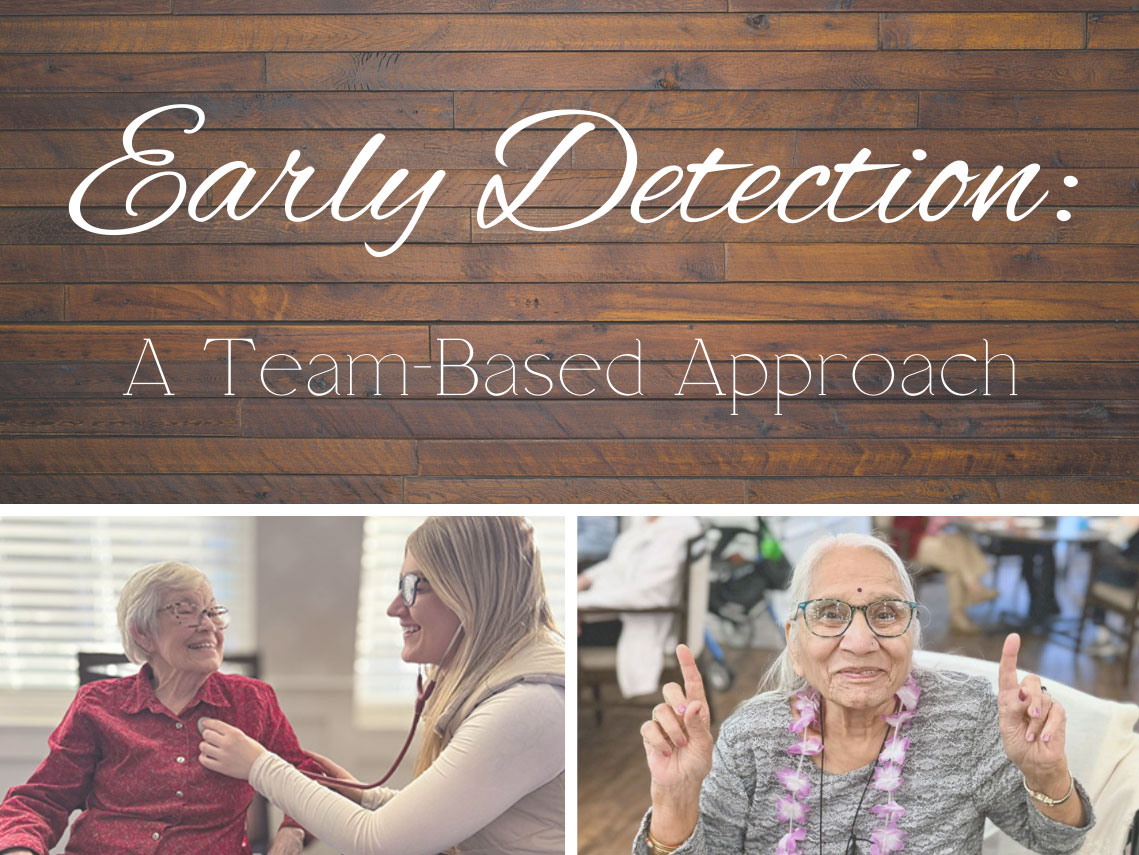
Early detection is essential to keeping residents at Vitalia Highland Heights safe and well. Subtle shifts in behavior, appetite, mobility, or mood often signal that something may be wrong. When we identify concerns early, we intervene quickly. This proactive approach helps prevent hospitalizations and more serious complications.
Early detection requires consistent observation, clear communication, and the confidence to act.
I encourage staff to speak up whenever they notice even small changes in a resident. During new employee orientation, I clearly state that every team member plays a role. Culinary, Housekeeping, Maintenance, and Reception all report concerns directly to a Nurse Manager or to me.
I reinforce this expectation during Town Hall and Wellness Meetings. When staff understand that their observations matter, they share concerns more confidently and consistently.
Stand-up meetings and rounding strengthen early detection in our community. During stand-up, we review any resident concerns staff have observed. We discuss next steps and assign follow-up as needed.
During rounding, we focus on residents who may show early signs of decline. When we identify concerns, we consult the PCP promptly for guidance. This structured process keeps communication clear and timely.
Early identification also supports families. We share observations and PCP recommendations so families remain informed and involved. This transparency builds trust and reduces uncertainty.
When we address changes quickly, residents remain safely in their apartments longer. Early action can also prevent unnecessary emergency room visits. Residents recover better in familiar surroundings, supported by nurses and Care Partners who know them well.

When we combine early recognition with timely assessment and strong documentation, our team responds efficiently. Through this approach, we continue delivering thoughtful, person-centered care that helps residents thrive at Vitalia Highland Heights.
VITALIA® Highland Heights in Highland Heights, OH, offers independent senior apartments, assisted living, and memory care with a variety of services and a range of floor plan options. Amenities include restaurant dining, 24-hour bistro, concierge service, housekeeping, events and entertainment, personal care, transportation services, and more. Centrally located near Hillcrest Hospital | Cleveland Clinic with convenient access to major shopping centers and attractions, including Stonewater Golf Club, Beachwood Place, North Chagrin Reservation, Euclid Creek Reservation, Lake County Captains, Rock n Roll Hall of Fame, and Great Lakes Science Center.

VITALIA® Highland Heights serves and employs individuals of all faiths, regardless of race, color, gender, sexual orientation, national origin, age or handicap, except as limited by state and federal law.